Vedenie katedry

Docent
B2-423
+421 2 9014 9423
monika.okuliarova@uniba.sk
Zoznam publikácií
ORCID
|| ResearchGate
|| Scopus
|| Google Scholar
doc. Mgr. Monika Okuliarová, PhD.
Vedúca katedry
Odborný asistent
B2-415
+421 2 9014 9403
katarina.stebelova@uniba.sk
Zoznam publikácií
ORCID
|| ResearchGate
|| Scopus
|| Google Scholar
RNDr. Katarína Stebelová, PhD.
Zástupca vedúceho katedry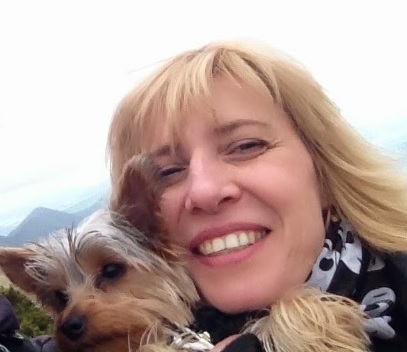
Docent
B2-417
+421 2 9014 9680
lucia.krskova@uniba.sk
Zoznam publikácií
ORCID
|| ResearchGate
|| Scopus
doc. RNDr. Lucia Kršková, PhD.
Tajomník katedry
Profesor
B2-421
+421 2 9014 9424
michal.zeman@uniba.sk
Zoznam publikácií
ORCID
|| ResearchGate
|| Scopus
|| Google Scholar
prof. RNDr. Michal Zeman, DrSc.
Vedecký sekretárZamestnanci

Mgr. Miroslav Baláž, PhD.
Pedagóg
Odborný asistent
B2-415
+421 2 9014 2176
zuzana.dzirbikova@uniba.sk
Zoznam publikácií
|| ResearchGate
|| Scopus
Mgr. Zuzana Dzirbíková, PhD.
Pedagóg
Profesor
B2-422
+421 2 9014 9572
iveta.herichova@uniba.sk
Zoznam publikácií
ORCID
|| ResearchGate
|| Scopus
|| Google Scholar
prof. Mgr. Iveta Herichová, PhD.
Pedagóg
Odborný asistent
B2-422
+421 2 9014 2045
lubor.kostal@uniba.sk
Zoznam publikácií
ORCID
|| ResearchGate
|| Scopus
RNDr. Ľubor Košťál, CSc.
Pedagóg
Mgr. Katarína Kováčová, PhD.
Pedagóg
Odborný asistent
B2-445
+421 2 9014 9498
miroslava.majzunova@uniba.sk
Zoznam publikácií
ORCID
|| ResearchGate
|| Scopus
Mgr. Miroslava Majzúnová, PhD.
Pedagóg
Odborný asistent
B2-411a
+421 2 9014 2181
hana.sutovska@uniba.sk
Zoznam publikácií
ORCID
|| ResearchGate
|| Scopus
Mgr. Hana Mauer Šutovská, PhD.
Pedagóg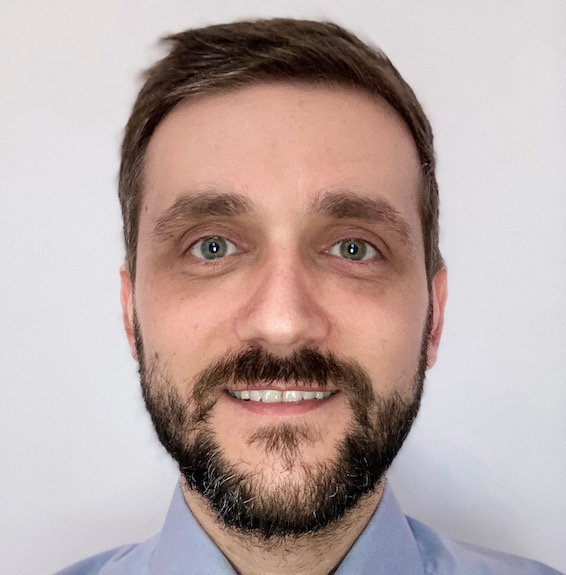
Docent
B2-411a
+421 2 9014 2053
lubos.molcan@uniba.sk
Zoznam publikácií
ORCID
|| ResearchGate
|| Scopus
|| Google Scholar
doc. Mgr. Ľuboš Molčan, PhD.
Pedagóg
Odborný asistent
B2-445
+421 2 9014 9688
roman.moravcik@uniba.sk
Zoznam publikácií
|| ResearchGate
|| Scopus
Mgr. Roman Moravčík, PhD.
Pedagóg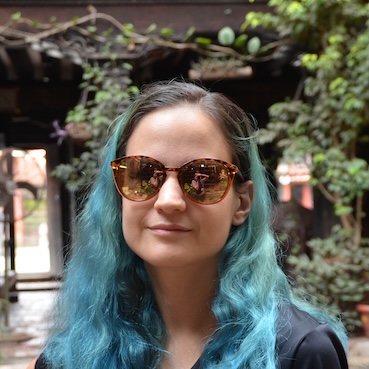
Odborný asistent
B2-445
+421 2 9014 2014
morova4@uniba.sk
Zoznam publikácií
|| ResearchGate
|| Scopus
Mgr. Martina Morová, PhD.
Pedagóg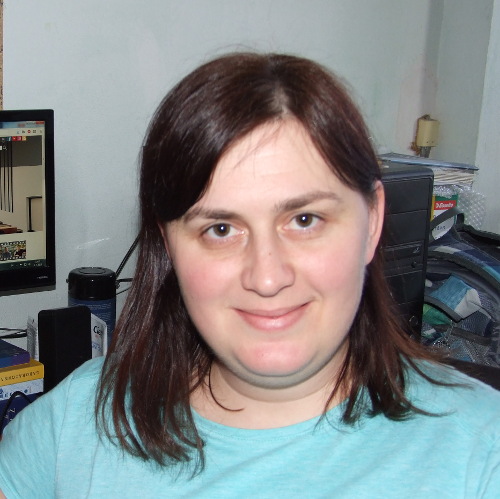
Odborný asistent
B2-417
+421 2 9014 2057
lucia.olexova@uniba.sk
Zoznam publikácií
ORCID
|| ResearchGate
|| Scopus
Mgr. Lucia Olexová, PhD.
Pedagóg
Odborný asistent
B2-413
02/602 96 413
valentina.rumanova@uniba.sk
Zoznam publikácií
|| ResearchGate
|| Scopus
|| Google Scholar
Mgr. Valentína Sophia Rumanová (rod. Krajčírovičová), PhD.
Pedagóg
Odborný asistent
B2-423
+421 2 9014 2062
peter.stefanik@uniba.sk
Zoznam publikácií
|| ResearchGate
|| Scopus
Mgr. Peter Štefánik, PhD.
Pedagóg
Odborný asistent
B2-445
02/602 96 2044
horvathov201@uniba.sk
Zoznam publikácií
|| ResearchGate
|| Google Scholar
Mgr. Jana Zlacká (rod. Horváthová), PhD.
PedagógInterní doktorandi
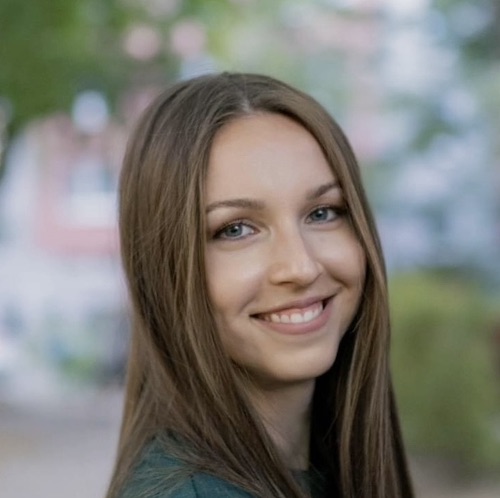
Doktorand
B2-413
02/602 96 413
babarikova3@uniba.sk
Zoznam publikácií
ORCID
|| ResearchGate
|| Scopus
Mgr. Katarína Babaríková
Doktorand
Mgr. Beáta Benediková
Doktorand
Mgr. Tereza Gömöryová
Doktorand
Doktorand
B2-413
02/602 96 413
maresova12@uniba.sk
Mgr. Valentína Marešová
Doktorand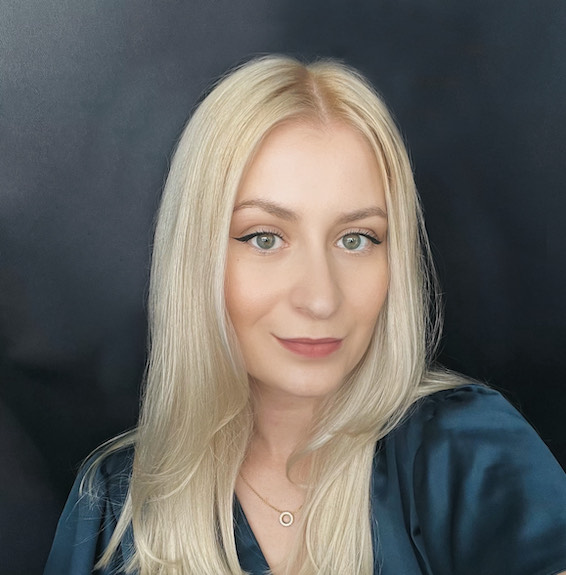
Mgr. Zuzana Matiko
Doktorand
Doktorand
B2-413
02/602 96 413
vanatova2@uniba.sk
Mgr. Denisa Vanátová
DoktorandTechnický personál
Technik
B2-411
Vladimír Géci
Technik
Sekretárka
B2-424
+421 2 9014 9576
renata.hudekova@uniba.sk